
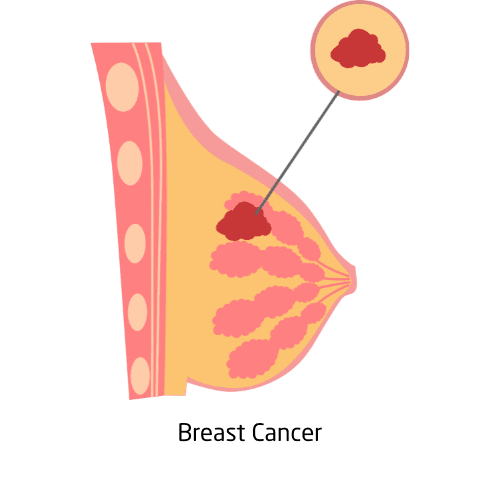
Breast cancer occurs when cells in the breast grow and divide uncontrollably, forming a tumor. It’s the most common cancer among women worldwide and can also affect men. Risk factors include age, genetics (such as BRCA mutations), lifestyle, and reproductive history. Early detection through mammograms, clinical exams, and self-checks greatly improves treatment success. Common symptoms include lumps, nipple discharge, or skin changes.
Treatment varies by stage and type, often involving surgery, chemotherapy, radiation, hormone therapy, or targeted drugs. Emotional support, survivor networks, and access to reliable information play a critical role in recovery.
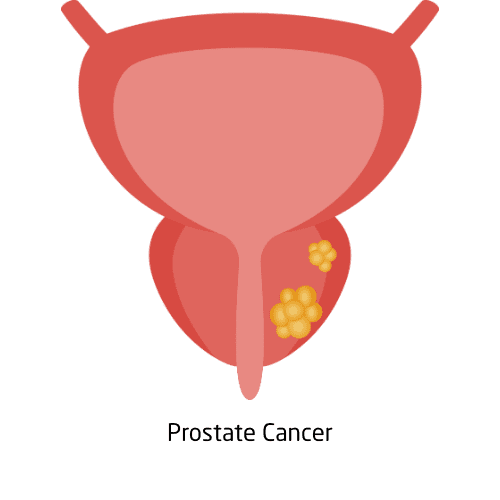
Prostate cancer begins in the prostate gland, which is part of the male reproductive system. It’s one of the most frequently diagnosed cancers in men, especially those over 50. In its early stages, it may not show symptoms, but advanced cases can cause difficulty urinating, blood in urine, or pelvic pain. Routine screening, such as the PSA (prostate-specific antigen) test and digital rectal exams, helps detect it early.
Treatment options range from watchful waiting to surgery, radiation, hormone therapy, or newer targeted treatments depending on the cancer’s growth rate and spread. Support groups and resources are available to help patients navigate diagnosis and recovery.
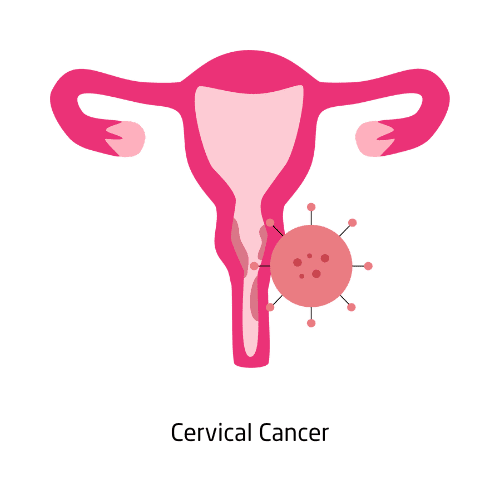
Cervical cancer starts in the cervix—the lower part of the uterus—and is primarily caused by long-term infection with high-risk strains of the human papillomavirus (HPV). Most cases can be prevented with the HPV vaccine and detected early through regular Pap smears and HPV testing. Symptoms may include abnormal bleeding, pelvic pain, or unusual discharge, but it often has no signs in early stages.
Treatment depends on the stage and may include surgery, radiation therapy, or chemotherapy. Education, screening, and vaccination are essential tools in preventing this disease. Global awareness campaigns continue to reduce cervical cancer rates.
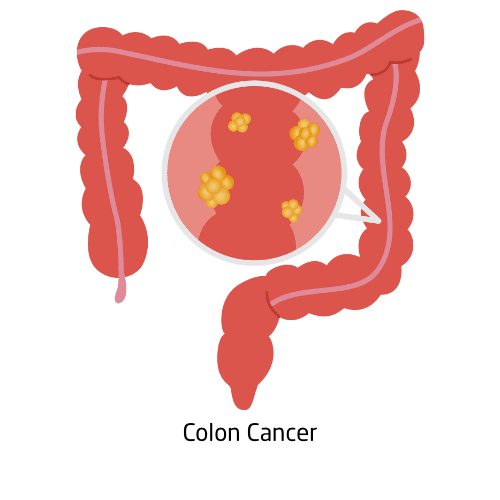
Colorectal cancer develops in the colon or rectum, often starting as small polyps that may become cancerous over time. It’s one of the leading causes of cancer-related deaths but is highly treatable when found early through screenings like colonoscopy or stool tests. Common symptoms include changes in bowel habits, blood in the stool, abdominal pain, and unexplained weight loss. Risk factors include age, diet, family history, and lifestyle choices.
Treatment options typically include surgery, chemotherapy, radiation, and targeted drugs. A healthy diet, physical activity, and regular screenings are key in prevention and long-term wellness.
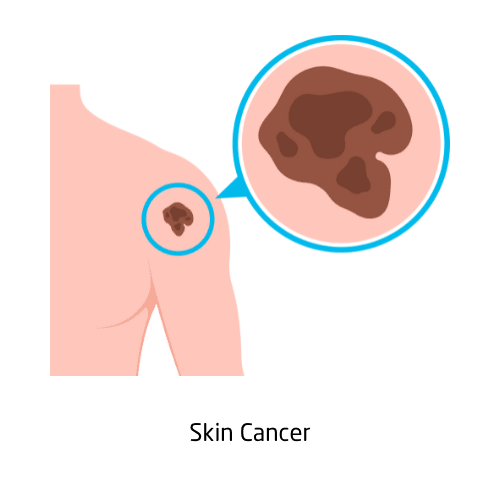
Skin cancer is the abnormal growth of skin cells, most often caused by ultraviolet (UV) exposure from the sun or tanning beds. It includes melanoma, which is the most serious form, as well as basal cell carcinoma and squamous cell carcinoma. Warning signs include new growths, changes in existing moles, or sores that don’t heal. Early detection with regular skin checks and dermatological exams can lead to high survival rates. Prevention includes sun protection, wearing SPF, and avoiding peak sun hours.
Treatments depend on type and severity, and may involve surgical removal, topical therapies, or immunotherapy.
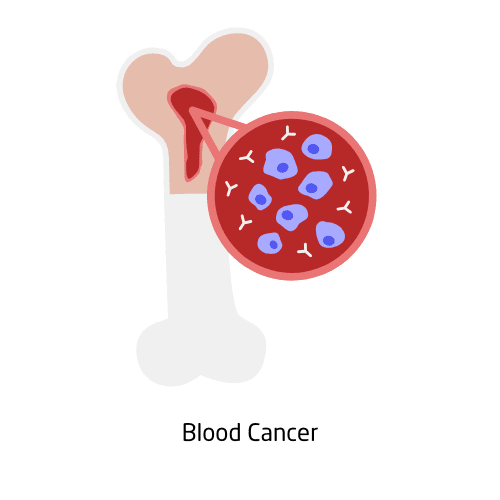
Blood cancers include leukemia, lymphoma, and multiple myeloma, all of which affect the blood, bone marrow, or lymphatic system. These cancers can disrupt normal blood cell production and weaken the immune system. Symptoms vary but often include fatigue, frequent infections, unexplained weight loss, or swollen lymph nodes. Diagnosis usually requires blood tests, biopsies, or imaging.
Treatment may involve chemotherapy, targeted therapy, immunotherapy, or stem cell transplants. Support from hematology specialists, mental health professionals, and peer groups is vital. Advances in research continue to improve survival and quality of life.